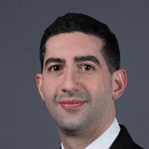
Heart transplantation has evolved over the past several decades into one of the most sophisticated and life-saving procedures in modern medicine. For patients with end-stage heart failure, a heart transplant is often their last hope. As a leading heart surgeon, Dr Zachary Solomon has made groundbreaking contributions to the field, refining surgical techniques and enhancing post-operative care to improve patient outcomes. His work is not only a testament to his skill and expertise but also a reflection of his commitment to advancing heart transplant technology for better patient survival and quality of life.
Advancements in Organ Preservation
One of the major challenges in heart transplantation is the preservation and transport of donor organs. Traditionally, donor hearts were kept viable for only a few hours, limiting the distance over which they could be transported. Dr. Solomon has been at the forefront of innovations aimed at improving heart preservation.
Through the use of machine perfusion technology, Dr Zachary Solomon and his team have helped revolutionize organ preservation. This technique involves using a machine to maintain blood flow and oxygenation to the donor heart while it is being transported. By maintaining the organ in a functional state for longer periods, hearts can be transported over greater distances, allowing more patients to receive a suitable heart for transplant. This advancement has the potential to reduce wait times for heart transplants and make better use of available donor organs.
Enhanced Surgical Techniques
Heart transplant surgery is a delicate and complex procedure that requires precision and experience. Dr. Solomon has contributed significantly to refining surgical techniques to improve both the success rates of the transplant and the recovery time for patients. One area where Dr. Solomon’s work stands out is minimally invasive surgical approaches. These techniques focus on reducing the size of the incisions, minimizing tissue trauma, and speeding up recovery.
By applying advanced methods, such as smaller incisions and robotic assistance in surgery, Dr. Solomon has helped reduce the risk of post-surgical complications like infections, bleeding, and prolonged recovery times. This not only improves the patient’s chances of a successful outcome but also allows for a faster return to normal activities, which is crucial for the patient’s quality of life after the transplant.
Immunosuppressive Therapy Innovations
After a heart transplant, patients must take immunosuppressive drugs to prevent their immune system from rejecting the new organ. However, these drugs come with the risk of side effects, including increased vulnerability to infections. Dr Zachary Solomon has been instrumental in advancing immunosuppressive therapies that are more tailored to individual patients.
By using genetic testing and personalized medicine, Dr. Solomon helps design customized drug regimens for transplant recipients, allowing for more precise control over immune suppression. These tailored approaches not only improve the body’s ability to accept the transplanted heart but also minimize the long-term risks associated with chronic immunosuppressive use.
Pioneering Heart Transplant Techniques: Dr. Zachary Solomon’s Contributions
Recent Posts
- Advanced Boxing Website Supporting Interactive Coverage of Major Events
- Weight Loss Peptide Trends Influencing Research Communities
- Statistical Breakdown: Uptime and Reliability in Online Gaming
- Why 3D Graphics Are Redefining Slot Game Entertainment
- Understanding Reverse Osmosis Systems in Toledo: Key Insights and Statistics