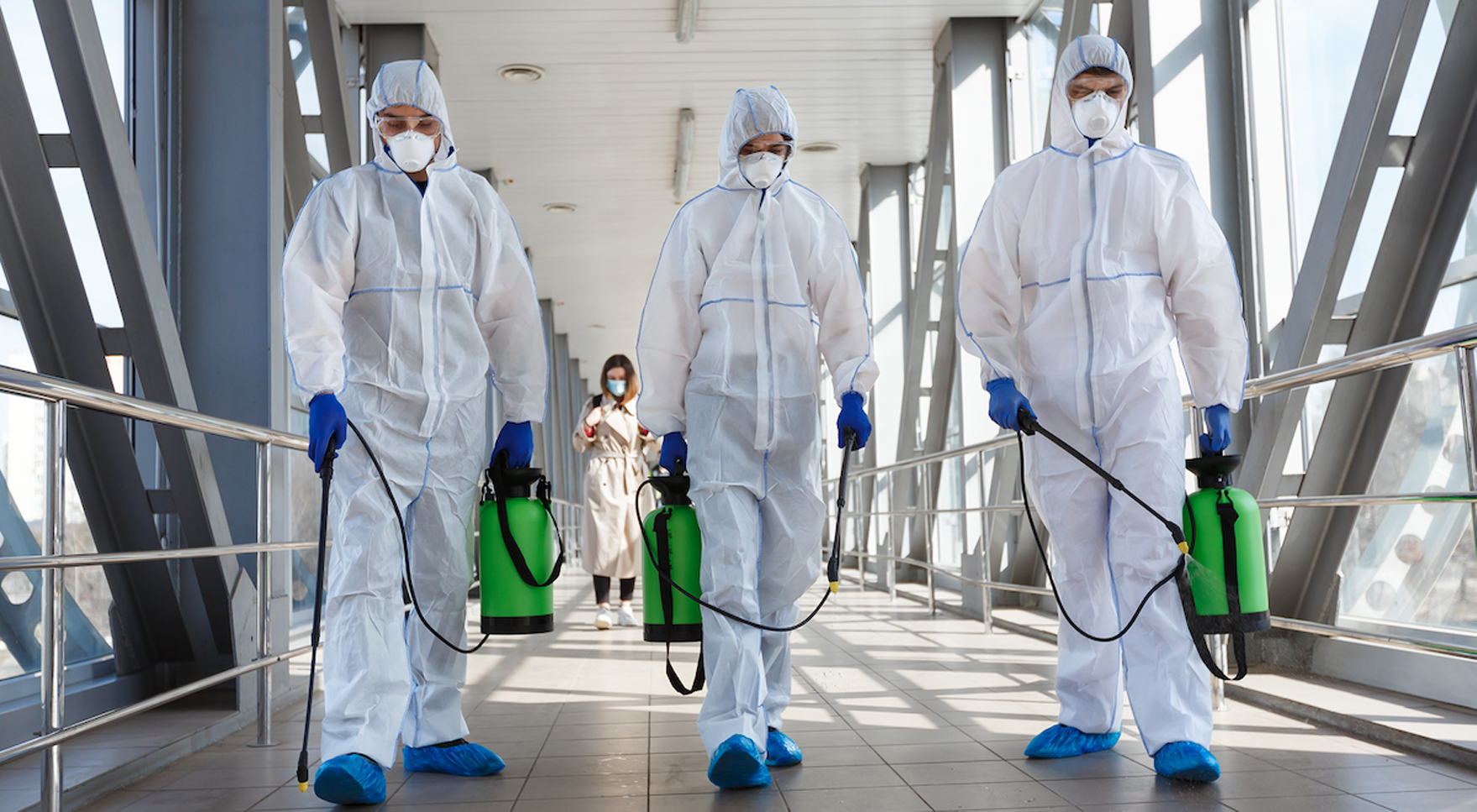
Athens, a city renowned for its rich history and culture, is also grappling with modern challenges like maintaining hygiene and public health. The importance of disinfection became particularly evident post-2020, as cities worldwide, including Athens, intensified sanitation efforts to curb the spread of infectious diseases. But what does the scope of disinfection truly encompass in a historic yet bustling metropolis like disinfections Athens (απολυμανσεις Αθήνα)? Here’s an exploration of the trends, practices, and needs shaping this critical sector.
The Growing Need for Disinfection
The urban density of Athens, combined with a steady influx of tourists, has heightened the need for stringent hygiene protocols across public and private spaces. Public transport, markets, schools, and hospitals experience heavy foot traffic daily, creating hotspots for potential contamination.
According to recent national health data, Greece saw a 45% increase in disinfection efforts from 2020-2022, particularly targeting high-touch areas like public benches, elevators, and door handles. This growing focus on cleanliness signals a shift in societal behavior, where disinfection is no longer seen as periodic but as a crucial, ongoing necessity.
Disinfection Practices and Trends in Athens
Disinfection practices in Athens are evolving rapidly, driven by technological advancements and a deeper awareness of public health. Key trends include:
1. Innovative Disinfection Technologies
Athens is witnessing the adoption of technologies like electrostatic sprayers, UV-C light systems, and antimicrobial surface coatings. These solutions allow for quicker, safer, and more comprehensive sanitation, particularly in high-risk areas. For instance, several metro stations have incorporated UV disinfection units to sanitize escalator handrails in real time.
2. Rise of Eco-Friendly Solutions
There is a noticeable push towards environmentally conscious disinfection methods. With sustainability becoming a global priority, Athenians are opting for non-toxic, biodegradable disinfection solutions that minimize harm to the environment. Organic disinfectants, free from harsh chemicals, are gaining traction in homes and commercial establishments.
3. Community Participation in Hygiene
Another noteworthy trend is the rise in collective efforts to maintain cleanliness. Residential neighborhoods have begun organizing community clean-ups, while businesses are increasingly taking responsibility for regularly sanitizing their premises. Some areas have even adopted disinfection awareness initiatives to sustain these efforts long-term.
Ongoing Challenges and Opportunities
Despite these advancements, challenges remain. High operational costs, limited public awareness, and the occasional misuse of disinfection chemicals continue to influence the overall effectiveness of such initiatives. However, these challenges also open avenues for innovation, partnerships, and education that can bring about more robust disinfection practices.
Understanding the importance and impact of disinfection in Athens is crucial—not just for the city’s health but as a model for urban sanitation worldwide. With the right blend of technology, community action, and sustainable approaches, Athens can continue to preserve both its heritage and its public health for generations to come.